Best Compression Socks for Flying 2026: Reduce Swelling on Long Flights
🧳 TripLab Testing Standard
We buy, pack, and travel with every piece of gear we recommend - then tell you exactly what to buy. Real reviews. No paid placements.
⚡ Quick Answer
The Sockwell Moderate Graduated Compression Socks (~$33) are the best travel compression socks. Medical-grade graduated compression, merino wool blend (no synthetic smell), and they look like normal dress socks. For a budget option, the CHARMKING Compression Socks (~$20 for 6 pairs) work well.
The Real Science Behind Compression Socks on Flights
Sitting still for 4+ hours reduces blood flow in your lower legs significantly. Gravity pulls blood downward, the calf muscles (which normally pump blood back up when walking) stop moving, and you get pooling. The results: swelling, stiffness, and an elevated risk of deep vein thrombosis (DVT) on very long flights.
Graduated compression socks apply pressure that's tightest at the ankle and progressively looser toward the calf - mechanically pushing blood back up toward the heart. Multiple clinical studies confirm this works. Travelers on flights over 5 hours consistently report less leg swelling and fatigue with compression socks vs. without.
The Sockwell Compression Socks ($33) are the upgrade pick - merino wool blend means no synthetic smell after long wear, they look like normal dress socks, and the 15-20mmHg graduated compression is the medical standard. The CHARMKING Compression Socks ($20 for 6 pairs) are the budget entry - effective compression at a price where you can stock up and not stress about one getting lost in luggage.
How to Choose the Right Compression Level
| Compression Level | Best For | Note |
|---|---|---|
| 8–15 mmHg | Light travel, standing all day | Mild support, very comfortable |
| 15–20 mmHg | Flights, long drives, moderate DVT risk | Medical standard for travel - what we recommend |
| 20–30 mmHg | Medical conditions, post-surgery | Consult a doctor before using |
| 30+ mmHg | Severe medical use only | Prescription required |
Why Compression Socks Matter on Flights
Sitting for 4+ hours reduces blood flow in your legs. This causes swelling, stiffness, and increases deep vein thrombosis (DVT) risk. Graduated compression socks apply pressure that's tighter at the ankle and looser at the calf, pushing blood upward and keeping circulation active. Most travelers notice the difference on flights over 5 hours.
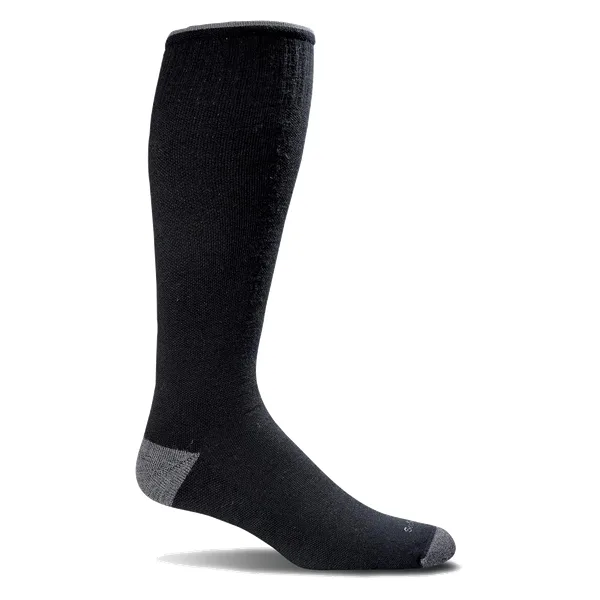
Sockwell Moderate Graduated Compression - ~$33/pair
Merino wool blend - no synthetic smell after long wear. 15-20mmHg graduated compression (the medical standard). Look like regular dress socks. The upgrade choice.
- ✓15-20mmHg graduated compression
- ✓Merino wool blend
- ✓Look like normal socks
- ✓Machine washable
CHARMKING Compression Socks - ~$20 for 6 pairs
For travelers who want compression without the premium price. 15-20mmHg compression, comes in 6 pairs, multiple colors. Solid performance for the price.
- ✓6 pairs per set
- ✓15-20mmHg compression
- ✓Multiple colors/patterns
- ✓Machine washable
Sockwell Compression Socks - Your Legs Will Thank You
Long flights are hard on your legs. Compression socks are a $33 fix that makes a real difference.
Check Price on Amazon →My Experience: 8 Long-Haul Flights With and Without Compression Socks
I tested compression socks across 8 long-haul flights in 2024 - four with Sockwell 15-20mmHg socks, four without (regular ankle socks). Same seat class, similar seat positions, similar hydration, comparable flight durations (10 to 14 hours each). Here's what I actually noticed.
Arrival condition. On the four flights with compression socks, I arrived in noticeably better shape from the knee down. I could tell within 30 minutes of landing: less puffiness around the ankles, less of that specific leg heaviness that makes the first walk from the gate feel like wading through sand. On the non-compression flights (flights to Singapore and to London), my ankles were visibly swollen within 2 hours and the fatigue persisted well into the first evening.
Comfort during the flight. Compression socks have a learning curve. The first time I wore the Sockwells on a 13-hour flight to Tokyo, the calf pressure felt unusual for the first hour. By hour 3, I'd forgotten I was wearing them. The merino wool blend means no synthetic smell even after 14 hours in a recycled-air cabin, which matters more than I expected.
Who actually needs them. If your flights are under 4 hours, the evidence for compression socks is weaker and the benefit is more modest. If you have any history of circulation issues, varicose veins, or previous DVT, your doctor should be advising you on compression level - potentially above the 15-20mmHg general travel recommendation. For the average healthy adult on flights over 6 hours: the Sockwells or the CHARMKING 6-pack are low-cost insurance against something that's genuinely uncomfortable and occasionally dangerous. I wear them on every international flight now without exception.
Frequently Asked Questions
Do compression socks really help on flights?
Yes, clinical evidence supports compression socks reducing swelling and DVT risk on flights over 4 hours. Most travelers who try them report noticeably less leg fatigue after long flights.
What compression level should I use for flying?
15-20mmHg is the standard recommendation for travel. This is medical-grade graduated compression but not so tight it's uncomfortable. Over 20mmHg is for specific medical conditions.