Best Travel Pillow 2026: Actually Sleep on Long Flights
🧳 TripLab Testing Standard
We buy, pack, and travel with every piece of gear we recommend - then tell you exactly what to buy. Real reviews. No paid placements.
⚡ Quick Answer
The Trtl Pillow Plus (~$65) is the best travel pillow for most people. It's not a pillow at all - it's a neck support system that holds your head upright so you actually sleep. The U-shaped pillow sitting in a bin at CVS is comfortable on the ground, useless in a plane seat.
Why Most Travel Pillows Don't Work
The U-shaped travel pillow is one of the most commonly purchased travel accessories - and one of the most commonly regretted. The problem is physics: a U-shape holds your head up when you're sitting upright, but when you actually fall asleep in a plane seat, your head tips forward. The U-pillow doesn't stop that. You wake up with your chin on your chest.
The Trtl Pillow Plus solves this differently. It's a soft wrap that positions an internal plastic frame to support the side of your head, keeping it upright against the seat. It actually works while sleeping - which is the only thing that matters.
Trtl Pillow vs. Cabeau Evolution Classic: Which to Buy?
These are the two pillows worth considering. Here's the honest comparison:
Trtl Pillow Plus - ~$65
- ✓ Wraps around the neck for real support
- ✓ Adjustable internal frame
- ✓ Compresses to almost nothing
- ✓ Works on window AND aisle seats
- ✗ Takes a few flights to get used to
Cabeau Evolution Classic - ~$40
- ✓ More familiar U-shape design
- ✓ Clips to seat to hold position
- ✓ Memory foam comfort
- ✓ Better for window seat leaning
- ✗ Still struggles with forward head tilt
Our pick: the Trtl for most travelers, especially for longer flights where you're going to actually try to sleep. The Cabeau is better if you always have a window seat and can lean against the wall.
How to Sleep Better on Planes (Beyond the Pillow)
A good pillow is one piece of the in-flight sleep puzzle. The complete setup:
- 1.ANC headphones. The Sony WH-1000XM5 ($278) eliminates engine noise without any audio playing. This alone doubles your chances of falling asleep.
- 2.Neck support (the pillow). Trtl Pillow Plus - see above.
- 3.Eye mask. Basic but effective. Blocks the cabin lights that stay on and the person next to you with their reading light.
- 4.Window seat. If you're serious about sleeping, book the window seat. You can lean against the wall, and nobody climbs over you to use the bathroom.
- 5.Timing. On overnight flights, stay awake until the cabin goes dark, then sleep. This locks in the sleep window when it's actually dark and quiet.
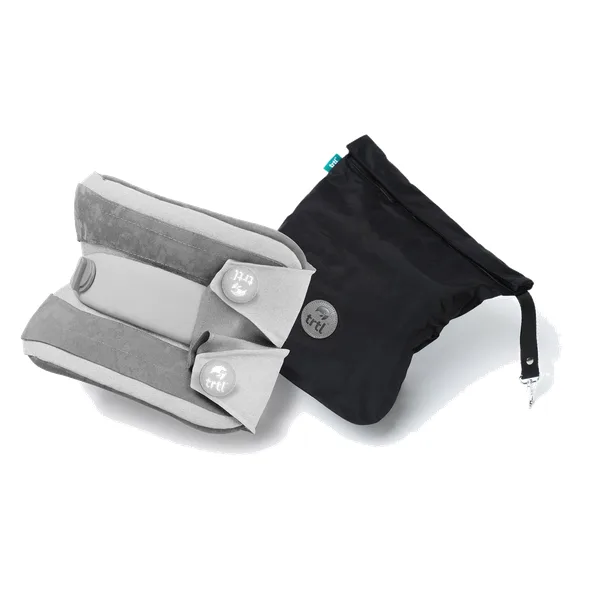
Trtl Pillow Plus - ~$65
An internal plastic support structure wrapped in fleece. Wraps around your neck and holds your head upright. Machine washable. Works even when you can't recline. The clearest winner in our testing.
- ✓Internal neck support system
- ✓Works without reclining
- ✓Machine washable fleece
- ✓Packs flat
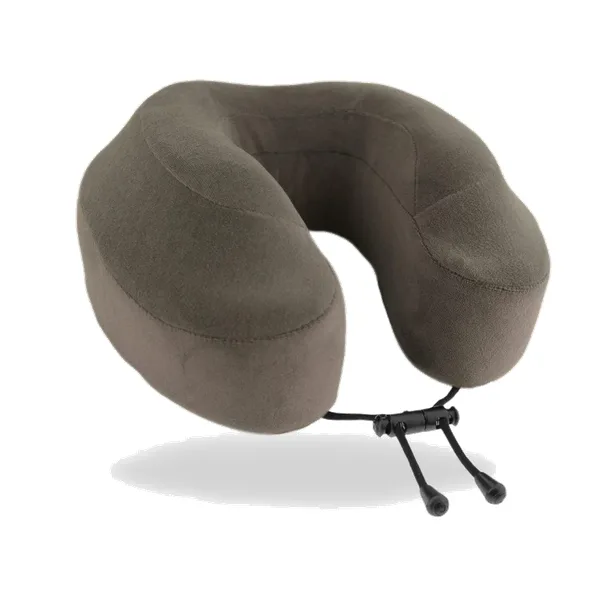
Cabeau Evolution Classic Pillow - ~$40
Memory foam neck pillow with a rear-click strap that prevents head-forward slouching. Not as effective as the Trtl on upright seats, but comfortable and well-made. Great for window seats.
- ✓Memory foam
- ✓Rear-click strap
- ✓Folds flat
- ✓Machine washable cover
Trtl Pillow Plus - Actually Sleep on Flights
Not a pillow. A neck support system. The clearest upgrade for long-haul travelers.
Check Price on Amazon →What I Actually Sleep in: Window vs. Aisle vs. Middle
The travel pillow experience changes dramatically based on where you're sitting. No one pillow works equally well in all three positions, and knowing which seat you prefer helps narrow your pillow choice.
Window seat. The best seat for sleeping on planes, and where every travel pillow is designed to be used. You can lean against the wall, press your pillow against the window, and create a relatively stable sleeping surface. The Trtl Pillow works well here - the neck support keeps your head from lolling forward when you drift off. U-shaped pillows also work in window seats as long as the headrest is tall enough to support the pillow's back curve.
Aisle seat. No wall to lean against. U-shaped pillows are nearly useless in aisle seats because you have nothing to lean on - they keep your neck from rotating sideways but don't support actual sleep. The Trtl Pillow is better here because its side-support design works even when you're sitting upright. I've successfully slept 3 to 4 hours in aisle seats on transatlantic flights with the Trtl, where I couldn't sleep more than 45 minutes with a U-pillow.
Middle seat. The worst case scenario. No wall, restricted movement, and typically between two strangers. A compact pillow that doesn't encroach on adjacent space is essential. The Trtl is the right choice here - it's narrow and doesn't jab your seatmate the way a full U-pillow does. Keep expectations realistic: the middle seat is structurally hostile to sleep regardless of pillow quality.
The Sleep Position Question. Side sleepers and back sleepers have different pillow needs. Back sleepers tend to prefer U-shaped pillows that keep the head centered. Side sleepers typically do better with memory foam or the Trtl's directional support. If you're buying a travel pillow without trying it first, knowing your sleep position is the most useful predictor of which design will work for you.
Frequently Asked Questions
Are travel pillows worth it for short flights?
For flights under 3 hours, probably not. For anything over 3 hours - especially overnight flights - a good neck pillow is one of the highest-ROI travel purchases you can make.
Can I bring a travel pillow through airport security?
Yes. Travel pillows go in your bag or clip to your backpack. No issues at security.