How to Stay Safe in Hostel Dorm Rooms: The Gear and Habits That Actually Work
By TripLab Editors · Updated August 2026 · 10 min read
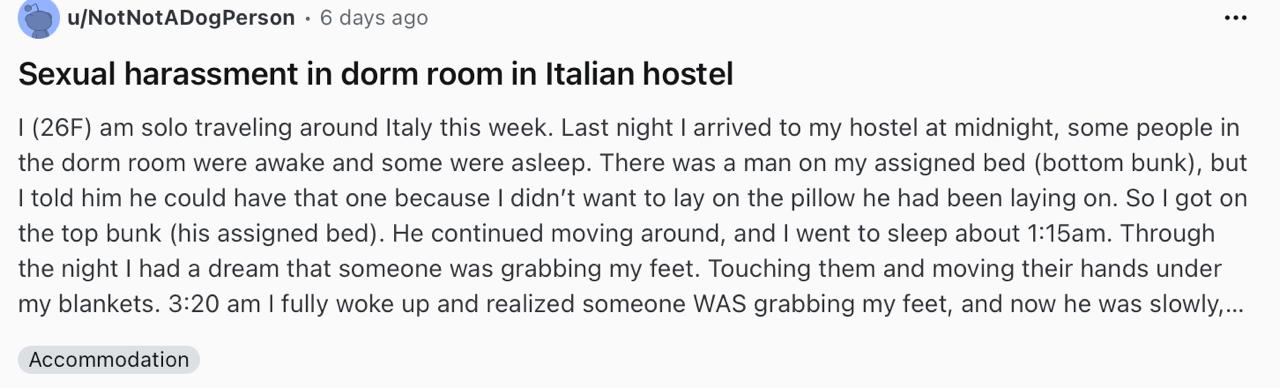
This Reddit post from u/NotNotADogPerson is one of hundreds posted every year. The situation described - waking up to find a stranger touching you in a shared dorm - is real, underreported, and preventable with the right setup.
A solo female traveler posted to Reddit last week about being groped in her dorm bed at an Italian hostel at 3am. She wasn't reckless. She wasn't careless. She was a solo traveler doing what solo travelers do - staying in budget accommodation, trusting a shared space, sleeping. And she woke up to someone's hands under her blankets.
This is not a rare horror story. It's a pattern that shows up in hostel forums constantly, almost always involving the same factors: mixed dorms, isolated bed positions, uncharged phones, and no secondary door or bed security. Every one of those factors is fixable. Not with paranoia - with preparation.
This guide is for solo female travelers who want to use hostels (they're great, the community is real, the price is right) without accepting unnecessary risk.
⚡ Quick Safety Checklist
- 🔵 Book female-only dorms whenever possible - single most effective change
- 🔵 Request bottom bunk near the door - accessibility and visibility
- 🔵 Use a portable door lock - Addalock (~$25)
- 🔵 Keep phone charged overnight - Anker PowerCore 10000 ($26)
- 🔵 Lock bag to bed frame - TSA cable lock ($24)
- 🔵 Keep passport and one card on your body while sleeping
- 🔵 Carry a personal alarm - 130dB keychain alarm (~$12)
1. Room Selection is the Most Powerful Variable
Before any gear matters, your booking decisions determine 80% of your risk level. These choices cost nothing extra or very little.
Book female-only dorms
This is the single most effective safety measure available and it costs $2-5 more per night. Mixed dorms have a documented problem with overnight harassment. Female-only dorms eliminate that vector entirely. Always check if this option exists before booking a mixed dorm.
Request bottom bunk, near the door
Bottom bunk means you can exit quickly without climbing down. Near the door means other guests pass your bed frequently, which creates natural surveillance. Avoid beds in corners or at the far end of the room - isolated positions attract attention and make exits harder.
Read recent reviews for the specific hostel
Hostelworld and Booking.com reviews often mention security incidents in comments. Filter for female solo travelers specifically. If multiple recent reviewers mention noise issues, poor locks, or unsafe feeling - believe them. Budget $5-10 more for a hostel with consistent safety mentions.
Smaller dorms are safer than larger ones
A 4-bed dorm has a very different dynamic than a 12-bed dorm. Fewer strangers means fewer unknowns. Pay slightly more for a 4-6 bed room over a 10-12 bed. The cost difference is usually $3-6 per night.
2. The Gear That Changes the Equation
Most safety gear lists for solo travelers are either too extreme (personal GPS tracker, anti-theft jacket with 12 pockets) or too vague (bring a lock). Here's the specific gear that addresses real hostel risks at realistic prices.
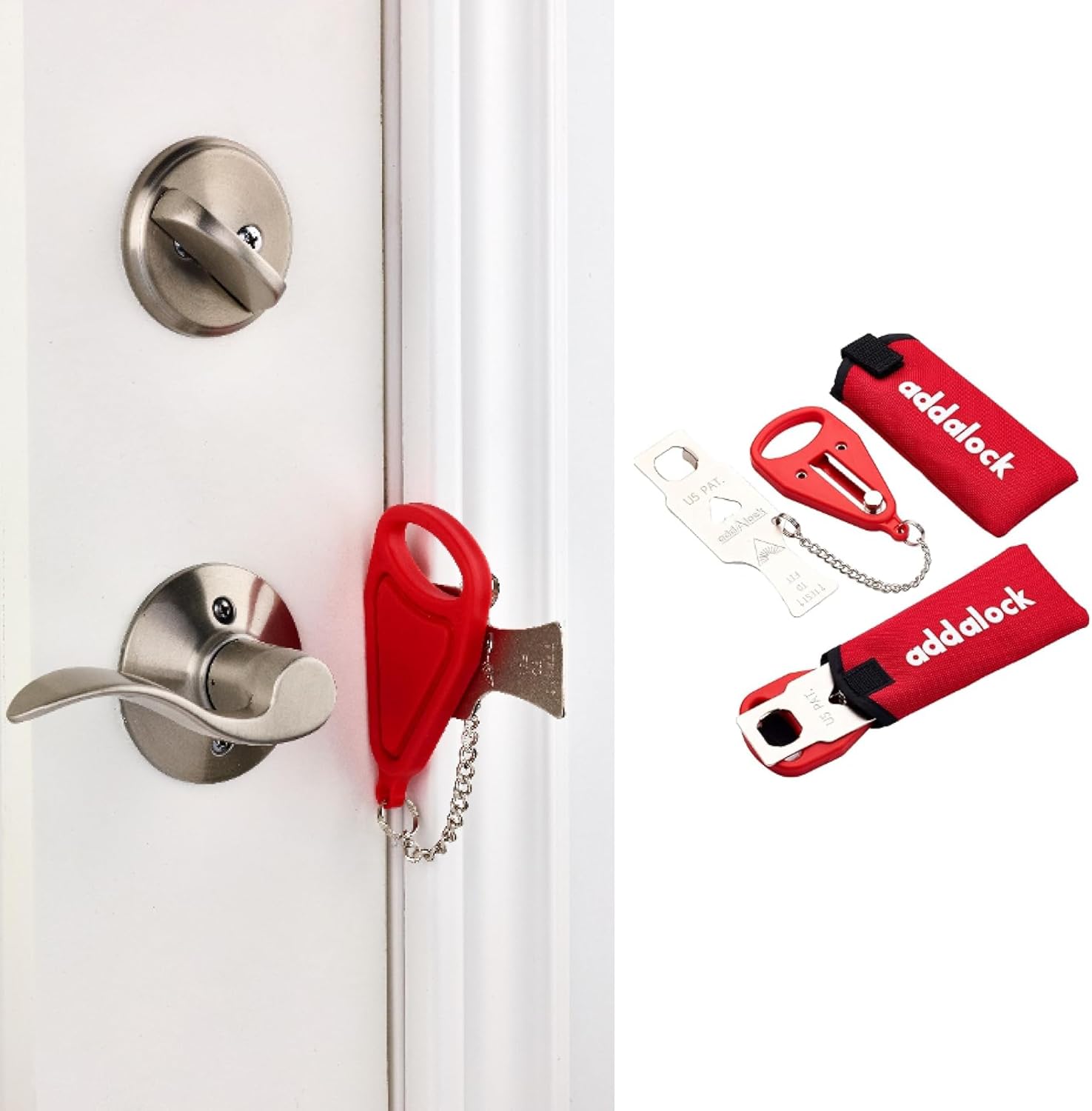
Addalock Portable Door Lock - ~$25
A portable door lock fits most standard door strike plates and physically prevents the door from being opened from the outside - even with a key. This is important because hostel staff and other guests can sometimes access your room with a master key. Takes 5 seconds to install, requires no tools. The most useful $25 you can spend for dorm room security.
- ✓Works on most standard door frames
- ✓Prevents door opening even with a key from outside
- ✓Fits in a pocket, weighs under 2oz
- ✓Works at hotels, Airbnb, anywhere
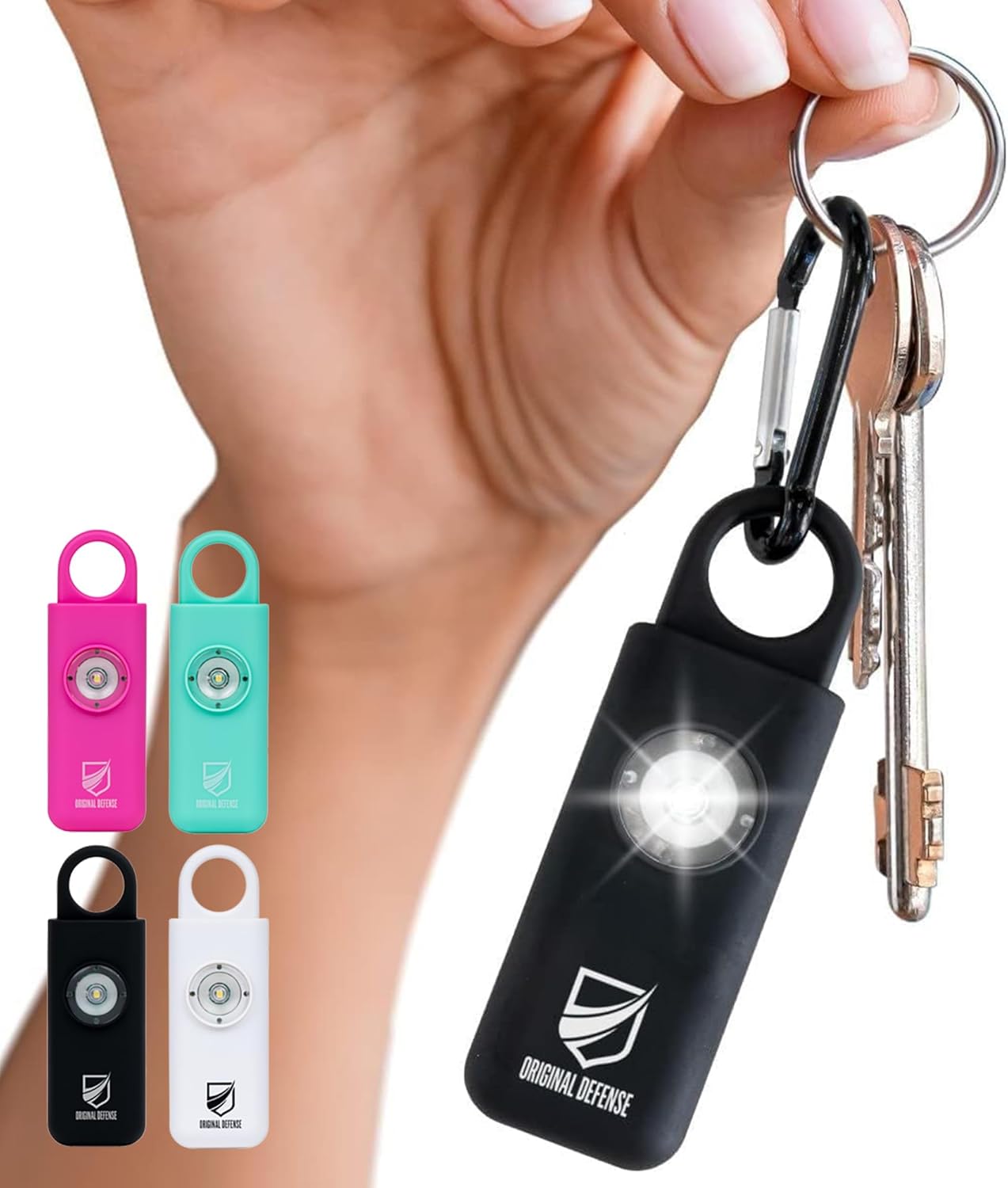
Personal Safety Alarm 130dB - ~$12
A 130dB personal alarm is loud enough to wake everyone in a dorm room and the hallway. Clip it to your wrist or keep it in your hand while sleeping if you feel unsafe. Pulling the pin sets it off instantly. This is not just for outdoor attacks - it works in hostel rooms too. The noise alone causes most people to back off immediately.
- ✓130dB - louder than a fire alarm
- ✓Pull-pin activation, can't be turned off without reinserting pin
- ✓Clip to bag zipper or wrist strap while sleeping
- ✓TSA-approved for carry-on
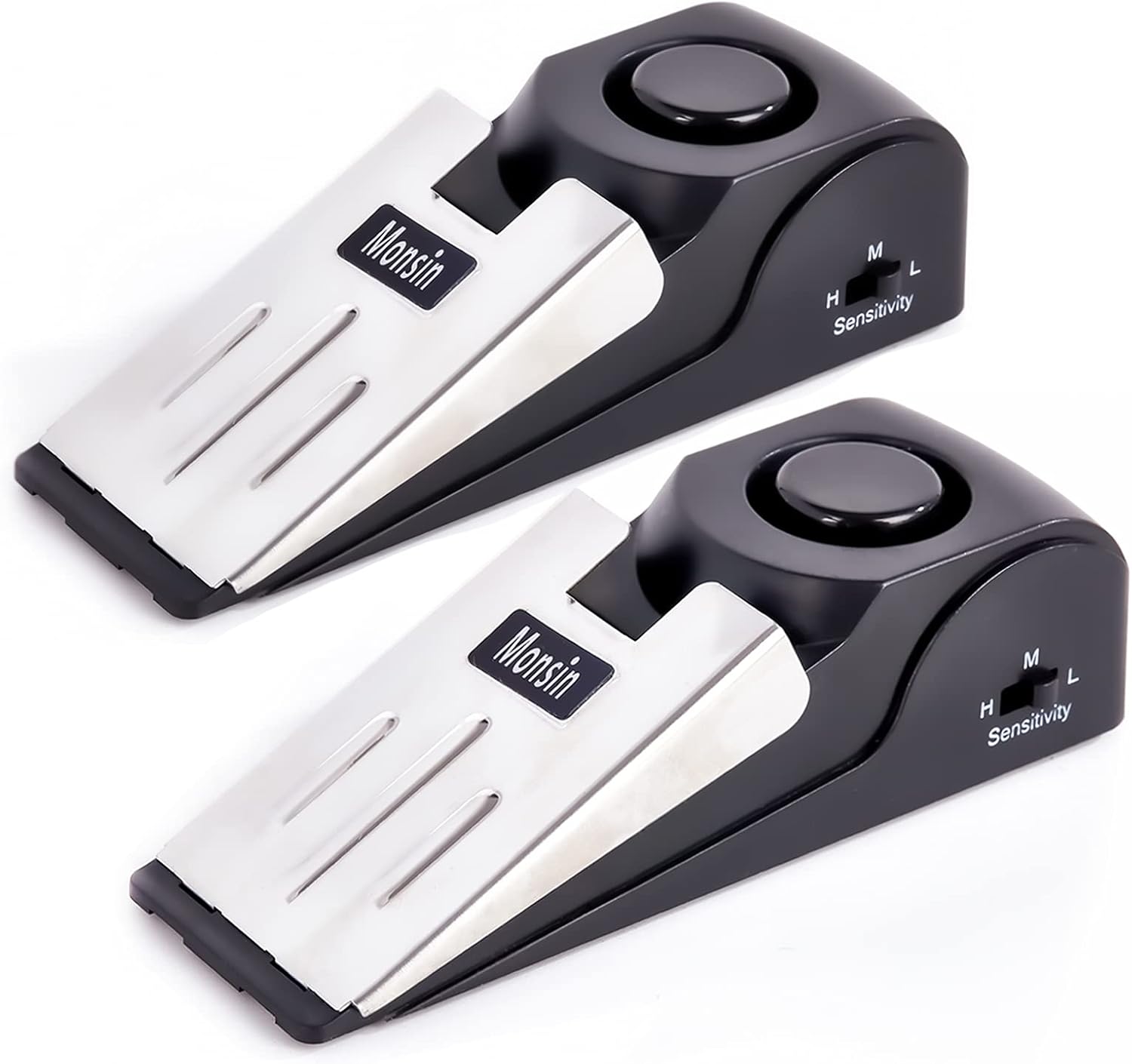
Door Stop Alarm (Alarmed Wedge) - ~$13
An alarmed door wedge does two things: physically blocks the door from opening and triggers a loud alarm if someone forces it. Slide it under the door before you sleep. Works on most inward-swinging doors (which most hostel doors are). Particularly useful if your dorm room doesn't lock from the inside or if the lock feels flimsy. Pairs with the portable door lock for double protection.
- ✓Physical door block + 120dB alarm
- ✓Works on most hard floor surfaces
- ✓Easy on/off switch
- ✓Packs flat in any bag
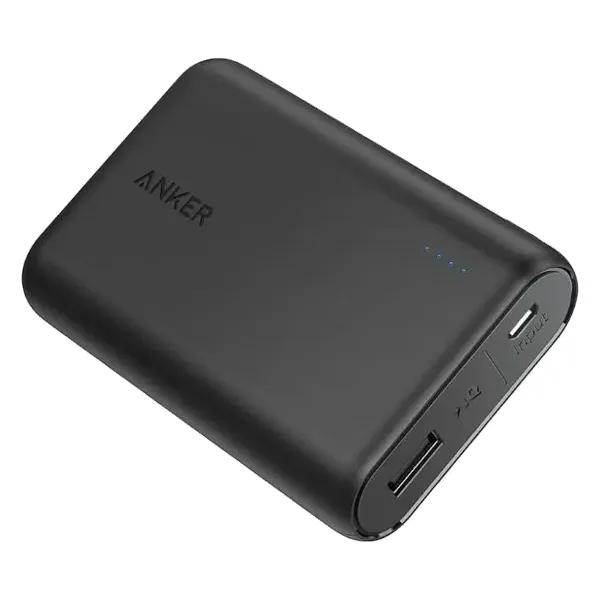
Anker PowerCore 10000 - ~$26
A dead phone in an emergency is a worst-case scenario. The Anker PowerCore 10000 gives you 3 full iPhone charges in a device that fits in your palm. Keep it in your pillowcase or under your pillow overnight. In any incident - unwanted contact, theft, needing to call reception - your phone needs to be charged and reachable. This is not optional gear for solo female travel.
- ✓3 full iPhone charges (10,000mAh)
- ✓TSA carry-on approved
- ✓Fast USB-C + USB-A charging
- ✓Fits in palm, under 7oz
Forge TSA Cable Lock - ~$24
Loop the flexible cable through your bag's zippers and around the bed frame. This doesn't make your bag impenetrable, but it means nobody can quietly grab it and walk out. It slows any theft attempt enough that someone will notice. Keep valuables (passport, cards, phone) on your body, but having your main bag secured to the bed frame means you control where everything is in an emergency.
- ✓Flexible steel cable - more versatile than a padlock
- ✓4-digit combination
- ✓Loops through zippers and around fixed objects
- ✓TSA-approved for checked bags too
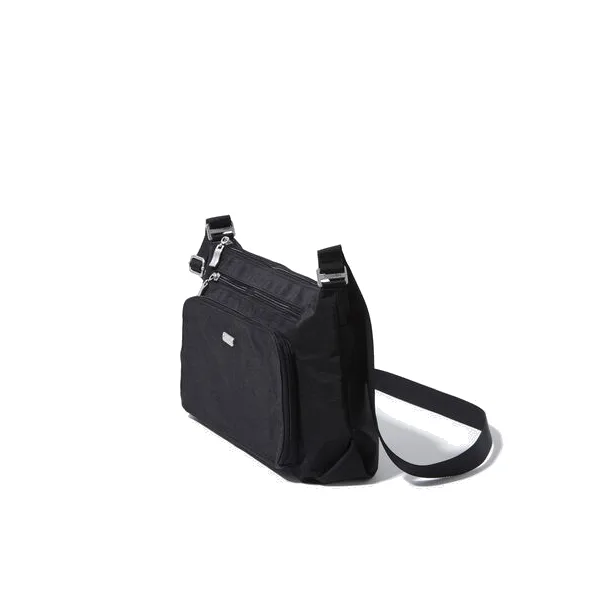
Baggallini All Day Crossbody - ~$55
The overnight security threat in hostels is real, but the daytime theft risk in tourist-heavy cities (Rome, Florence, Barcelona) is statistically higher. The Baggallini has built-in RFID protection for cards and passport, multiple secure zip compartments, and a cross-body design that's genuinely hard to grab-and-run. This transitions from daypack to airport personal item without looking like obvious travel gear.
- ✓RFID-blocking card pocket
- ✓Multiple secure zip compartments
- ✓Anti-grab crossbody strap
- ✓Water-resistant - works in rain
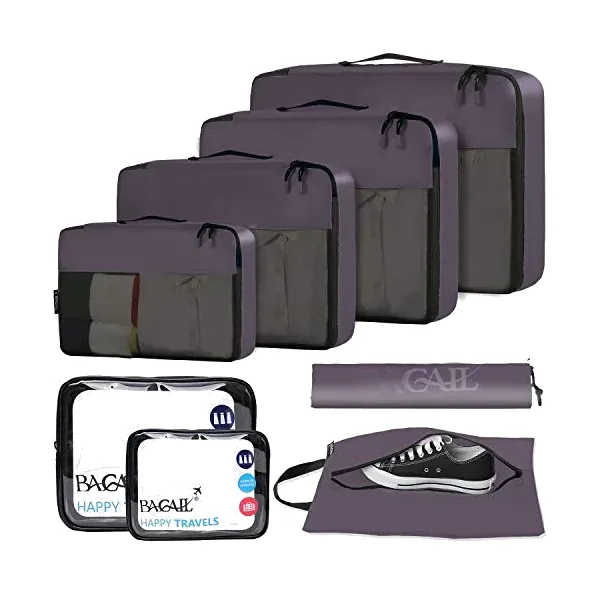
BAGAIL Packing Cubes 8-Set - ~$19
In a rushed emergency exit from a dorm room (fire, situation escalating, needing to leave fast), packing cubes mean you can grab your bag and go without hunting for scattered items. Keep your passport and cards in a dedicated small cube that lives in one specific pocket. In a normal situation they're a packing tool. In a bad situation they're the reason you have everything and can leave immediately.
- ✓8 cubes - one dedicated to documents/valuables
- ✓See-through mesh tops for fast finding
- ✓Lightweight - under 1oz each
- ✓Machine washable
3. The Habits That Matter More Than Any Gear
Gear helps, but the behaviors you establish on day one set the tone for the entire stay.
Introduce yourself to other dorm guests when you arrive
This is not naive - it's strategic. When you make brief eye contact and exchange a few words with the people in your room, you establish your presence and create a social dynamic that makes you harder to victimize. People are far less likely to act badly toward someone they've interacted with.
Learn the name of the overnight reception staff
At check-in, ask who's on overnight. If anything happens, you want a name. "I need to speak to Marco" is a different conversation than "I need to speak to whoever's at the desk." Knowing their name also signals to staff that you're paying attention.
Trust your gut about bed assignments
If a guest is making you uncomfortable from the moment you walk in - overly familiar, not respecting space, watching you - ask reception to move your bed. You don't owe anyone an explanation. "I'd prefer a different bed assignment" is enough. Most hostel staff will accommodate this without asking why.
Don't explain your plans to strangers in the dorm
Casual conversation is fine. Telling a stranger "I'm in the dorm alone tonight, everyone else is going out" is not. You don't need to be cold - just vague about when you'll be alone, when you'll be sleeping, or what your schedule is.
If something happens, make noise immediately
The reflex in many people is to freeze. Freeze is the wrong response in a shared dorm. Waking other guests up is exactly what you want. Speak loudly, turn on your phone flashlight, pull the pin on your personal alarm. The more people are aware something is wrong, the faster it stops. You are never being dramatic. You are being appropriate.
⚠ If an incident happens
Go to reception immediately - regardless of the time. Document what happened (write notes on your phone within the hour while details are fresh). If it involves physical contact, report it to local police the same night if possible. Hostels are required to have incident procedures. Ask to see the CCTV footage before they can claim it was overwritten. Get the full name of the other guest from the hostel's registration record.
You are not making a big deal out of nothing. You are doing what is appropriate.
Full Gear Summary
| Item | Price | Protects Against | Priority |
|---|---|---|---|
| Addalock Portable Door Lock | ~$25 | Room entry while sleeping | Essential |
| Anker PowerCore 10000 | ~$26 | Dead phone in emergency | Essential |
| Personal Alarm 130dB | ~$12 | Unwanted contact, theft | Essential |
| TSA Cable Lock | ~$24 | Bag theft overnight | Recommended |
| Door Stop Alarm | ~$13 | Room entry while sleeping | Recommended |
| Baggallini Crossbody | ~$55 | Pickpocketing, bag grab | Recommended |
| Packing Cubes | ~$19 | Disorganized emergency exit | Useful |
FAQ
Is it safe to sleep in a hostel dorm room as a solo female traveler?
Generally yes, with the right setup. Female-only dorms, a portable door lock, a charged phone, and a personal alarm on your wrist reduce your risk significantly. Most hostel stays are completely uneventful. The issue is that when incidents do happen, they're preventable with basic preparation.
What is the safest hostel dorm bed position?
Bottom bunk, near the door. You can exit quickly, other guests pass frequently, and you're visible. Avoid isolated beds at the back corners of the room.
Should solo female travelers always use female-only dorms?
Whenever available, yes. It's the single most effective risk reduction available and usually costs $2-5 more per night. Always check availability before accepting a mixed dorm.
What should I keep on my body while sleeping in a hostel?
Passport, one credit card, and phone. Keep these in a small pouch under your pillow or inside your sleeping bag. Everything else can be locked in the hostel locker or secured to the bed frame. These three items are what you need to exit, call for help, and get home.