Hardside vs Softside Luggage 2026: Which Should You Buy?
By TripLab Editors · Updated September 2026 · 12 min read
The hardside vs softside question is one of the most searched in luggage buying — and the honest answer is that neither is universally better. The right choice depends entirely on how you travel: what you pack, how often you fly, what airlines you use, and whether your checked bags get rough handling or careful loading.
This guide breaks down every meaningful difference, tells you exactly who should buy each type, and recommends the best options in both categories at every budget.
The core differences
| Factor | Hardside | Softside |
|---|---|---|
| Protection | ✓ Better for fragile items | Less rigid protection |
| Flexibility | Fixed dimensions, no overstuff | ✓ Can compress for tight fits |
| Exterior pockets | Usually none | ✓ Often has front/side pockets |
| Weight | Typically heavier | ✓ Often lighter |
| Water resistance | ✓ Better in rain/wet conditions | Varies by fabric treatment |
| Dent risk | Permanent dents possible | ✓ Bounces back from impacts |
| Security | ✓ Harder to slash/break into | Zippers can be exploited |
| Easy to clean | ✓ Wipe clean | Fabric absorbs stains |
Choose hardside if...
- You pack fragile items (cameras, glassware, souvenirs that can't flex)
- Your destination involves rain, beaches, or humid conditions
- You're taking cruises where bags sit in damp cargo holds
- You want the cleanest aesthetic — hardside looks sharper and stays looking new longer
- You check bags and want maximum protection from baggage handlers
- You don't need exterior pocket access during the day
Choose softside if...
- You're a business traveler who needs exterior pockets (laptop sleeve, documents, quick-access items)
- You tend to overpack and need a bag that can flex to accommodate
- You fly budget European airlines with strict overhead bin limits (softside can compress)
- You want a lighter bag — especially relevant for checked bags near weight limits
- You travel with a suit or garment bag built into the luggage (most suiter systems are softside)
A note on materials
Not all hardside is created equal. The two main materials are polycarbonate and ABS plastic. Polycarbonate (used in premium bags like the TUMI 19 Degree) flexes under impact and springs back. ABS plastic (used in budget bags) is more rigid but cracks rather than flexes. If you're buying hardside, polycarbonate is worth the premium. ABS is fine for infrequent travelers; it won't survive years of weekly travel.
Our top picks
Best hardside — TUMI 19 Degree
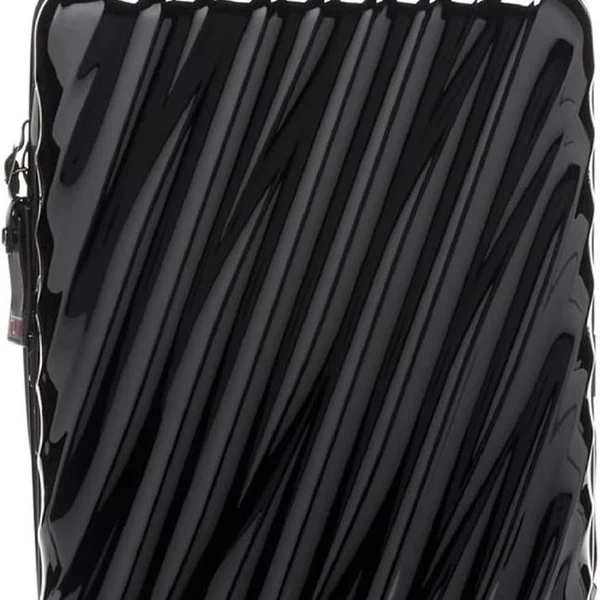
TUMI 19 Degree Hardside Carry-On
~$750
The TUMI 19 Degree is the benchmark for premium hardside luggage. Polycarbonate shell, TUMI's proprietary Titan wheel system, and build quality designed for years of weekly use. The angled design is instantly recognizable and fits overhead bins on all major carriers. An investment — but one that pays off over time.
Check Price on Amazon →Best softside — Travelpro Platinum Elite 21"
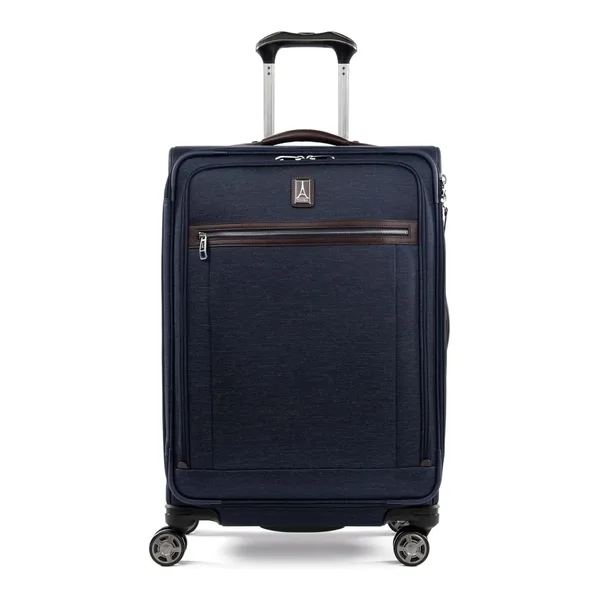
Travelpro Platinum Elite 21" Carry-On
~$415
Wirecutter's #1 softside carry-on for 10+ consecutive years. The Travelpro Platinum Elite 21" has the exterior pockets, suiter, 8-wheel spinner, and lifetime warranty that business travelers need. The reason airline crews choose it: it survives daily professional use across hundreds of flights without failing.
Check Price on Amazon →Best budget softside — Travelpro Maxlite Air V2
Travelpro Maxlite Air V2
~$150
The best softside option under $200. The Travelpro Maxlite Air V2 is lightweight, durable enough for regular travel, and gives you the Travelpro engineering at a fraction of the Platinum Elite's price. The trade-offs are 4 wheels vs 8, lighter-duty zippers, and no suiter. For 4–8 trips per year, it's excellent value.
Check Price on Amazon →TripLab Verdict
Most travelers — especially business travelers and frequent flyers — are better served by softside luggage. The exterior pockets, lighter weight, and flexibility for tight overhead bins are real-world advantages. For anyone who checks bags frequently, travels to beach or cruise destinations, or carries fragile items, hardside earns its keep. When in doubt: go softside for carry-on, hardside for checked.